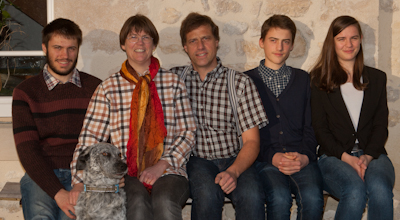
 A family winery in Médoc
founded in 2010
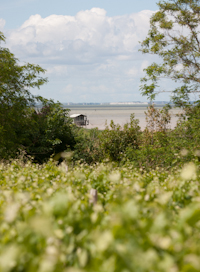 our
vines at the Gironde
our
vines at the Gironde
We cultivate a natural landscape and live from the fruits of the terroir.
The careful handling with the given nature is an obligation out of respect
for creation.
The considerate vine-growing and the diligence we put into
winemaking is a matter of personal importance.
Getting started
In 2010 we bought the winery Vignoble Chaumont in
Bégadan including the two Châteaux LASSUS and LE REYSSE. In 2011 the winery
Vignoble Boyer in the neighboring St. Christoly with the two Châteaux CLOS
DU MOULIN and MOULIN DE LESTAGNE followed. Significant changes and
renovation of the facilities and buildings established a nice co-operation
between both wineries continuing to work independant. Since 2011 Château
LASSUS is our family seat.
The Châteaux:
CLOS DU MOULIN
LASSUS
LE REYSSE
MOULIN DE LESTAGNE
Maturity of our wines
The evolution of our wines goes through different phases of maturity.
This is typical of Médoc wines with ageing potential. Different phases can be distinguished:
Primeur/fruit -
phase
In this phase of maturation, which begins about 6 weeks after
bottling, a wine can be judged very well in terms of its potential in complexity
and balance (bouquet, multi-layeredness on the palate, level of the middle part
after the attack and the length). However, the whole picture does not yet fit
together properly, rather it resembles a jumble or as I often say - a kind of
firework. The aromas and the structure of the wine still have to come together.
This is exactly what the time of maturity is needed for.
Shuttering phase
At this stage, you better do not touch a wine. The wine is simply closed and tastes of nothing, even if you can guess that there should be something there.
If a wine is opened in this phase, I can only recommend letting it breathe as long as possible.
A carafe with air supply (and insect protection...) helps to let the wine mature quickly with the help of oxidation.
This can also take a while (3-72 hrs). In the transition from the fruit phase to the closure phase a wine is not very stable,
in fact a wine needs the closure phase to stabilise and develop its ageing potential. The closure phase is not always clearly identifiable or seems to be divided into waves.
High alcohol levels make the classification difficult,
because alcohol as a flavour carrier makes a wine appear very 'tasty' no matter in which phase. So it sometimes happens that the last bottle opened was the best of a wine...
Drinking-phase
Now it finally gets exciting. The
wine seems harmonious. The aromas from the fruit phase have 'returned' and it is
a real digestible pleasure. The long finish in particular now shows the wine's
potential. It was worth being patient for so long. With great wines, the
enjoyment phase lasts for several years to decades.
At the suggestion of various visitors, I am providing this table as an aid
to assigning our wines to one of the maturity phases. Depending on the
storage situation, there may be deviations in your private wine cellar.
Maturity levels as of mid-2023
| Vintage |
Le Reysse |
Lassus |
Clos du Moulin |
Moulin de Lestagne |
| 2010 |
starts opening |
open 4-8 J. |
|
|
| 2011 |
open ~10 J. |
drink |
drink |
|
| 2012 |
opening |
open 2-4 J. |
open 2-4 J. |
|
| 2013 |
opening |
drink |
drink |
|
| 2014 |
first opening |
open 2-8 J. |
open 2-8 J. |
|
| 2015 |
|
open 2-8 J. |
open2-8 J. |
|
| 2016 |
|
first opening |
first opening |
|
| 2017 |
|
|
|
first opening |
| 2018 |
|
|
|
|
| 2019 |
shuttering starts |
|
|
|
| 2020 |
|
|
|
|
| Primeur/Fruit-Phase |
Shuttering-Phase |
Dinking-Phase |
As individually as the enjoyment of wine
is experienced, so differently are the wines enjoyed during the different
phases of ripeness. It is quite possible that a wine in the early fruit
phase is so appealing that it is preferably drunk in this phase. Ultimately,
it is the decision of the connoisseur.
Responsible cultivation - respecting nature
Vegetation

young hares between our vines
Our intention is to
make excellent wines in a sustainable way within a natural environment well
preserved.
Many vineyards are surounded
by hedges and waters such as channels.
A significant part of the property
belongs to the Natura 2000 project.
Between the vines we keep natural
greening allowing plenty of herb-varieties
to grow.
Such diversified area
structure accomodate exceptional flora and fauna. We found ten native orchid
varieties growing on our winery. They grow between the vines, on the meadows and
in our forrests. There are plenty amphibians such as tree-frogs and salamanders.
We are very happy about a growing turtle population. These European pond turtles
are under strict protection. Also cuckoos, green woodpeckers, storks, owls and
several birds of prey find a good livelihood. Since November 2013 our winery is
‘AREA’ certified and since 2019 ‘HVE’ certified
(Haute Valeur Enironnemental).The meadows and pastures with the cattle breeding are managed
organically and certified accordingly.

In the Chai Barrique: Grey Bats (Myotis grisescens)
Nature also has its place in our old buildings. It is not unusual for kestrels and owls to
nest in the niches of the old walls. Barn owls live in the large chai and a large family of
bats can be found in the chai barrique every summer because it is particularly cool here.
Quality-Winemaking means handcraft
Terroir, cultivation of vines, vinification and
barrique aging are realized with personal efforts towards our quality
philosophy. The result is a typical Médoc-Wine with a unique finesse, high level of
concentration, balance with a tight structure and length.
Our wines provide a significant aging
potential.
Terroir
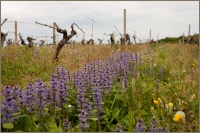
natural herbs
Deep grounded gravel, partly with clay layers in the underground Kies-Böden
as well as limestone plateaus are the starting basis. In addition a particula
climate influenced by the Atlantic ocean and the Gironde river. The careful
cultivation of the vines in the different vineyard locations is according their
specific requirements. This complete the complexity of our terroir.
That is how great wines are made.
gravel
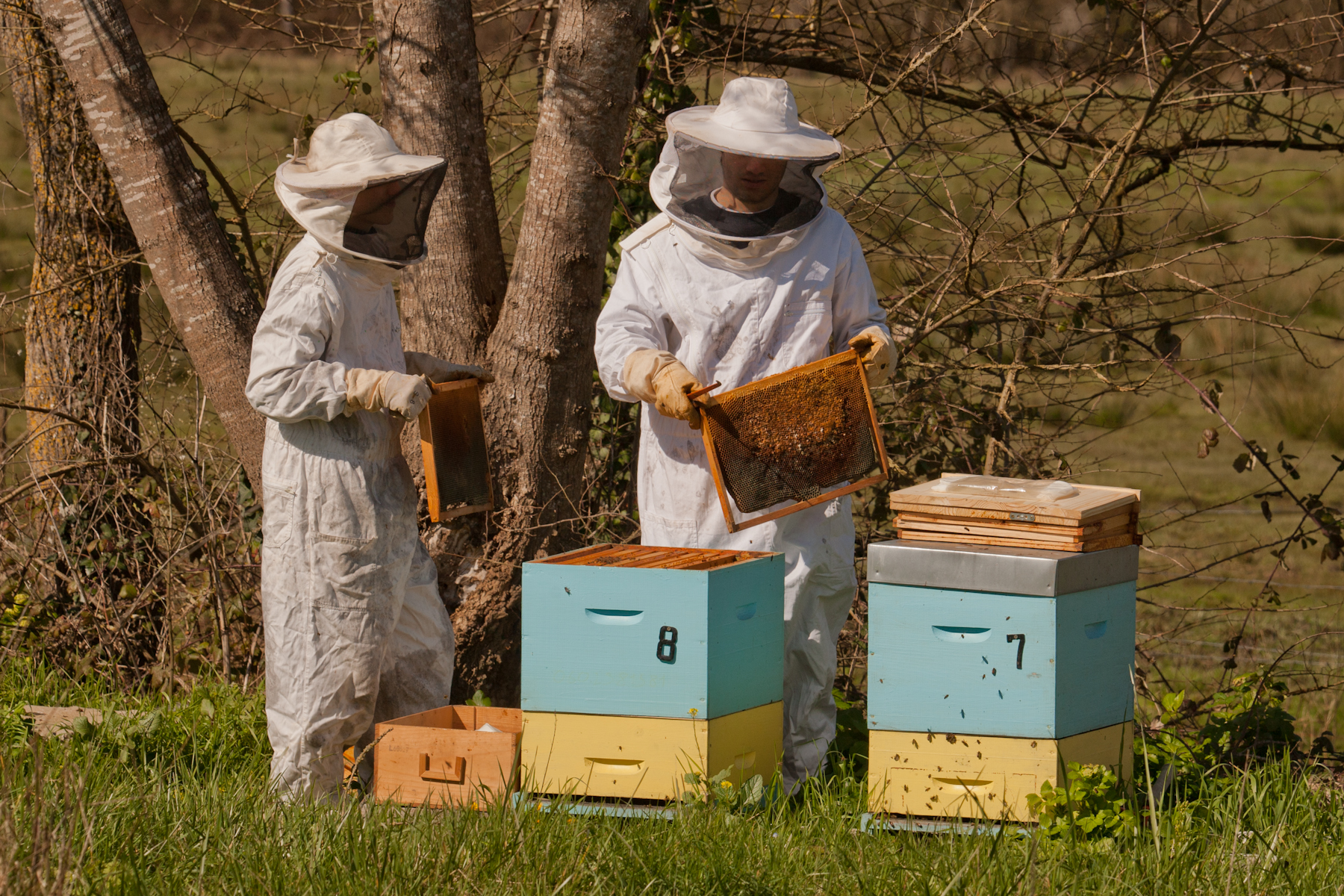
our bees

turtles
limestone
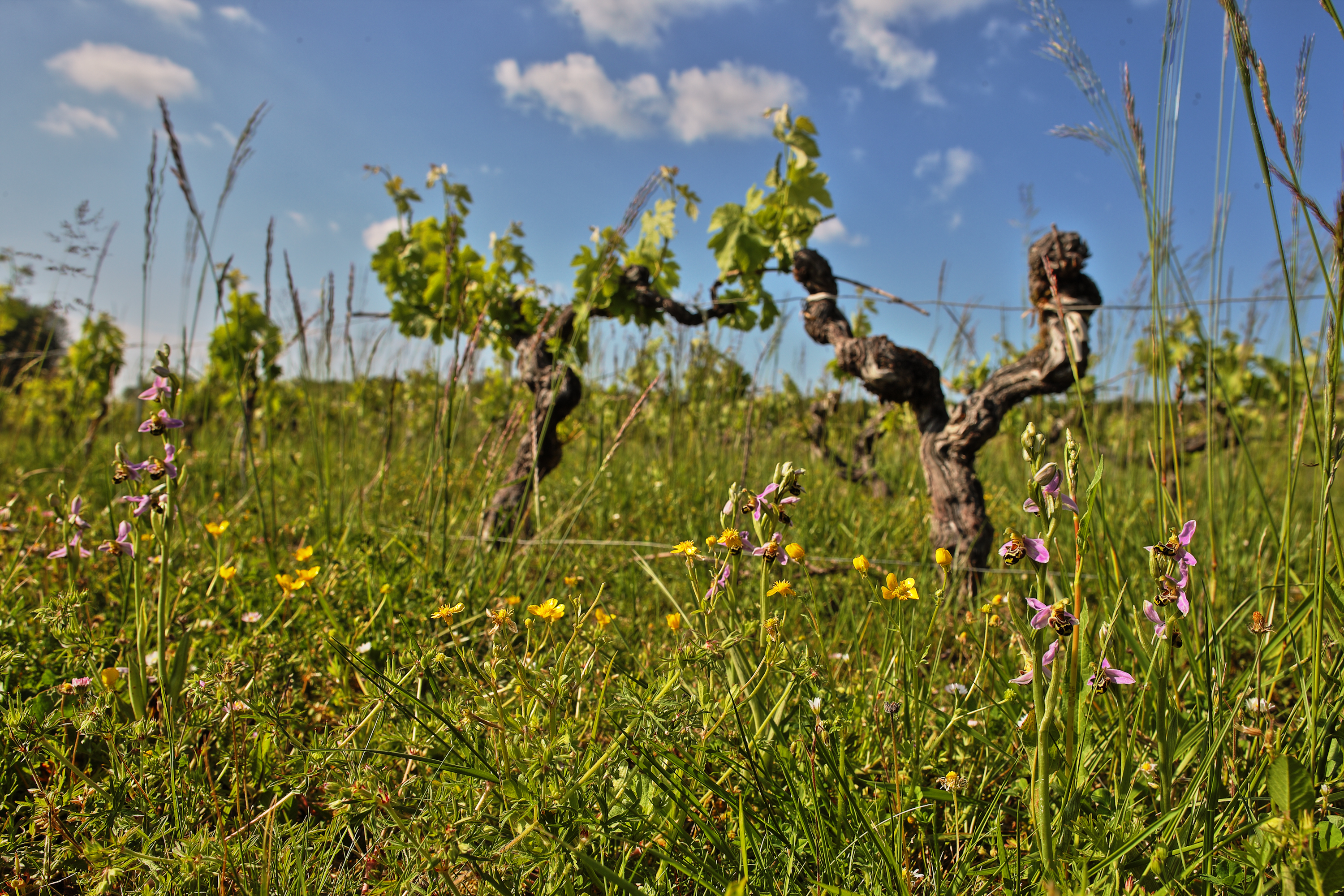
orchids between the vines
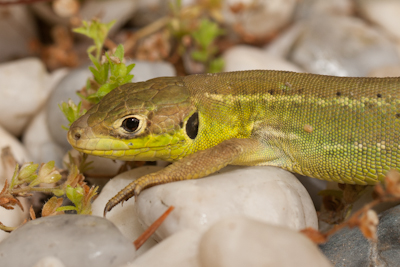
young green lizard
Vines
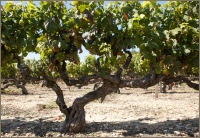
100 year old vines
The described soils are excellent
draining. This is the reason for the very deep rooting of the vines, else
they would not resist the draoght periods. The age of our vines is
exceptional high, accordingly the root system is very well developped. We
have one vineyard wich vines planted bofore 1917. Such old vines are not as
productive in quantity, however the quality of these grapes is exeptional
with extreme high grade of complexity.
Cultivation
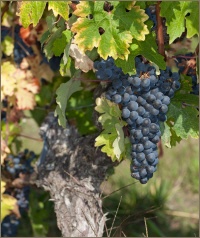
Cabernet Sauvignon
During the season’s different cultivation techniques are taken such as bud,
leaf and grape cuttings. This is to ensure air circulation through the vines
for healthy growing and maturing. These health supporting and yield
restricting measures are taken to ensure quality wines.
Before grape picking, we pas once more through the vines selection from each
these grapes we do not prefer to select. Those we let just drop to the ground.
This ensures fast picking of healthy grapes at top maturity which is during
three days, even if the weather conditions a difficult.
All this is to ensure healthy mature wine berries for vinification.
Selection
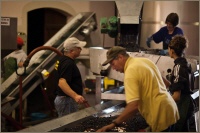
selection after picking
All vegetative parts as well as non-mature
berries are to be selected out of the berries for vinifiaction. This we proceed
over several steps with technical support and significant manual work force.
During this process we separate in two steps the berries from the juice
generated. The juice is cleared separately.
After a pre selection the grapes are destemmed, then they go through the
automatically selection process and finally comes the manual selection by
minimum four persons.
This is to ensure that proper berries only come to the vinification process.
Vinification
Important investment in the vinification since 2010 resultet in significant
quality improvement of the wines.
The traditional Médoc extraction methods ‚remontage‘ and ‚delestage‘ in
accordance to the fermentation process lead to a high grade of selective
extraction of fine tannins. The possibility of temperature control secures
the process stability and ensures to maintain the fruity aromas. The result
is a rich wine with concentration and perfect balance between fruit and
smooth tannins.
Maloloactic fermentation
Already during the spontaneous lactic-acid fermentation, just after the
subtraction of the grape pulp, the wine comes for the first time into contact
with French oak.
Soutirage
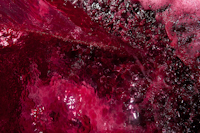
Soutirage
The fining is without the usage of collage
agents.
As such we need to process this clearing step in handcraft with skill, destines
and patience - repetitive until the wine is clear. The outcome is a pure,
autenthic and natural wine - simply vegetarian.
Barrique aging - good things need time
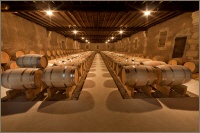
the 'Chai Barrique'
Our Barrique inventory is of best French oak from the forests Allier and
Tronçais, with specific toasting according the different wine lots. These
barriques are renewed every three years. During barrique aging the wine lots
remain separated to allow each specific character its best development. This is
to get the best basis for the assemblage finally.
Cattle
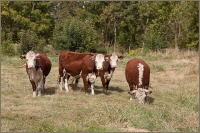
our cows
A herd of herford mothercows/sucklingcows
belong to our winery Kriterien. They care about the natural pastures.